

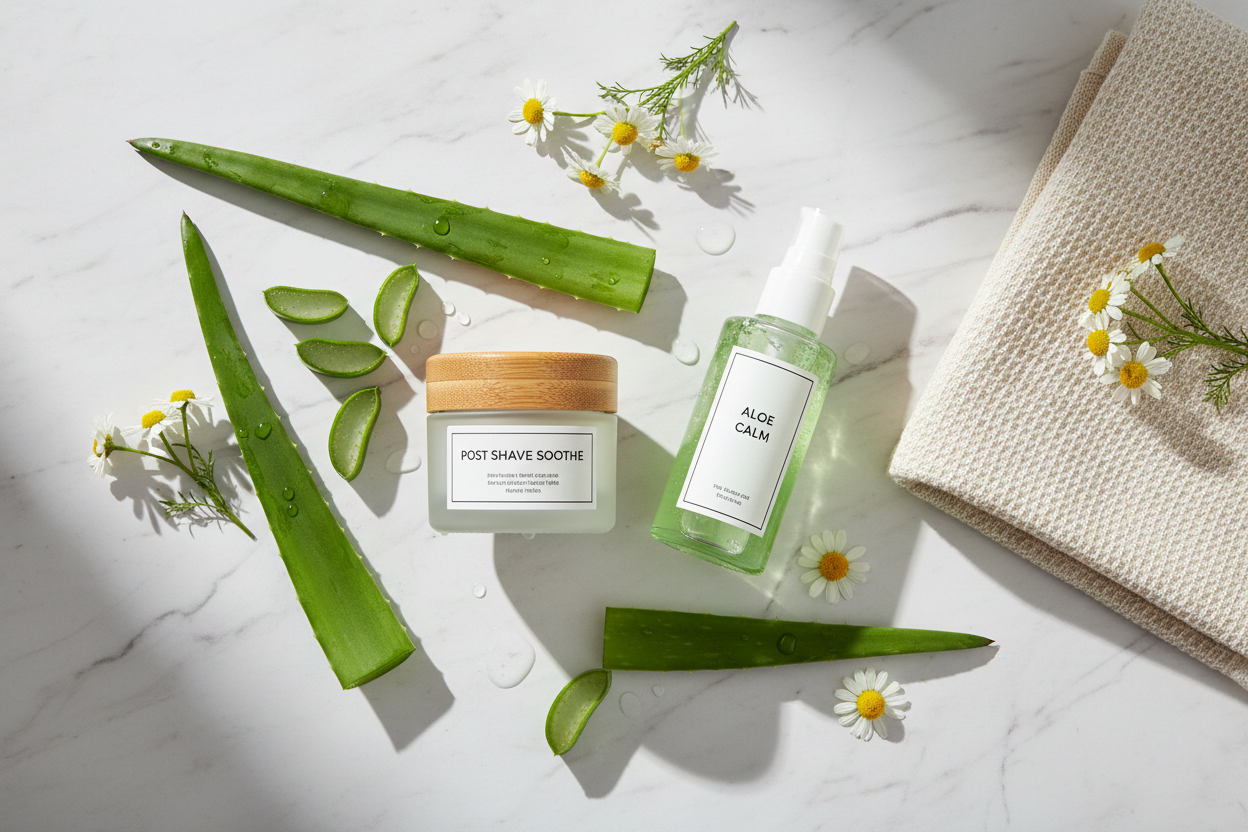
How to Soothe Irritated Skin After Shaving
Red, bumpy, irritated skin after shaving is one of the most common grooming complaints for men. It is also one of the most preventable. Razor burn, the medical term for this redness, tightness, and bumpiness, happens because of specific, well-understood causes, and dermatologists agree on what actually fixes it.
This guide explains exactly why shaving irritates skin, what board-certified dermatologists recommend for both treating it after it happens and preventing it going forward, and how to build this into a routine that works for Indian men shaving regularly in a hot, humid climate.
What Razor Burn Actually Is
Razor burn is a skin irritation that happens after shaving, characterised by patches of red, bumpy, inflamed skin. Anyone can experience it, though those with sensitive skin are especially vulnerable. It typically shows up as stinging redness, tightness, and small bumps along the jawline, neck, and cheeks, often due to a stripped moisture barrier, micro-cuts, and friction from the blade.
The causes, according to dermatologists, are specific and mostly within your control. Using a dull or old razor blade increases the likelihood of razor burn because it pulls on the hair rather than cutting it cleanly. Improper shaving techniques, including applying too much pressure, shaving against the natural direction of hair growth, and not using a shaving cream or gel, all compound the problem.
Left unaddressed, dermatologists note that razor burn can lead to infection and, in more severe cases, post-inflammatory hyperpigmentation. For Indian men, whose skin has higher melanin reactivity, this last point is particularly relevant. Untreated shaving irritation does not just feel uncomfortable. It can leave lasting dark marks that take significantly longer to fade than the original irritation.
Why Shaving Irritates Skin
The Mechanical Damage
Every shave removes a thin layer of skin along with the facial hair. This is a normal part of shaving but it means the skin barrier is being mechanically disrupted with every pass of the blade, multiple times per shave, multiple times per week for most men.
A dull blade makes this worse significantly. Instead of cutting hair cleanly, a dull blade pulls and tugs at the hair follicle, creating more friction and trauma to the surrounding skin than a sharp blade performing a clean cut.
The Barrier Stripping Effect
Shaving without an appropriate lubricant, whether a cream, gel, or oil, means the razor blade is dragging directly against bare skin. This significantly increases friction, which strips the skin's protective barrier and increases the likelihood of irritation and inflammation when the blade meets the skin.
An emollient-rich shaving product protects and moisturizes the skin barrier, which decreases the chance of irritation precisely because it reduces this direct friction.
The Inflammatory Response
Once the skin barrier is disrupted and micro-cuts or follicular trauma occur, the skin's inflammatory response activates. This produces the visible redness, swelling, and discomfort characteristic of razor burn. For men with naturally reactive skin or higher baseline androgen-driven inflammatory response, this reaction tends to be more pronounced.
How to Soothe Irritated Skin Immediately After Shaving
Step 1 - Cool the Skin
If razor burn is causing significant discomfort, dermatologists recommend placing cold compresses on the skin to calm inflammation before applying any cream or ointment. Cold temperature causes vasoconstriction, which reduces the visible redness and swelling associated with the inflammatory response.
A clean, cool, damp cloth held against the affected area for a few minutes provides this effect without requiring any special equipment.
Step 2 - Cleanse Gently
Use a gentle, non-stripping cleanser to clean the skin as it heals, which prevents further irritation from any residual shaving product, bacteria, or debris while not compounding the existing barrier disruption with harsh surfactants.
The INTOIT Claytox Cleanser is appropriate for this purpose. Chamomile Flower Extract and Aloe Vera in the formula are specifically soothing and anti-inflammatory ingredients, directly relevant to calming post-shave irritation rather than adding to it. The dual clay formula still cleans effectively without the stripping action of harsher surfactant-based washes that would aggravate already-compromised skin.
Step 3 - Apply Active Soothing and Repair Ingredients
This is where the serum step becomes specifically relevant to post-shave skin. Post-shave skin has a temporarily disrupted barrier, increased permeability, and active low-grade inflammation. This is both a vulnerability and an opportunity. The same permeability that makes post-shave skin more reactive also means active ingredients absorb more effectively immediately after shaving.
The INTOIT 6x Complex Face Serum contains Niacinamide at 2 percent, which has documented anti-inflammatory activity through multiple mechanisms, including reduced production of inflammatory cytokines. Applied to freshly shaved skin, Niacinamide's anti-inflammatory action directly addresses the inflammatory response that produces visible razor burn. The same ingredient also supports barrier repair through ceramide synthesis stimulation, helping rebuild what the shaving process has disrupted.
Caffeine at 0.5 percent in the same formula provides additional antioxidant support, addressing the oxidative stress component of the post-shave inflammatory cascade.
Step 4 - Moisturize to Restore the Barrier
Moisturizing with the right formula after shaving directly supports barrier recovery. An ideal post-shave moisturizer contains emollients and barrier-repairing ingredients without alcohol or fragrance, both of which can sting and aggravate already-compromised skin.
The INTOIT Maximalist Moisturizer is well suited to post-shave use. Ceramide NP, AP, and EOP directly replenish the barrier lipids that the razor has stripped. Allantoin, also present in the formula, is specifically documented for its skin-soothing and cell-renewal-accelerating properties, directly relevant to calming and healing irritated post-shave skin.
Apply a thin layer immediately after the serum has absorbed, while the skin is still slightly damp from cleansing.
How to Prevent Razor Burn Before It Starts
Prevention is more reliable than treatment after the fact. Dermatologists are consistent on the core preventive steps.
Use a Sharp, Clean Blade
The single most consistently cited cause of razor burn is a dull or dirty blade. A sharp blade cuts hair cleanly with minimal pulling, dramatically reducing the friction and follicular trauma that triggers irritation. Replace blades regularly, and rinse them thoroughly during shaving to prevent buildup that dulls the cutting edge mid-shave.
Always Use a Shaving Cream or Gel
Shaving on dry skin or with only water dramatically increases friction between the blade and skin. A proper shaving cream or gel provides lubrication that allows the blade to glide rather than drag, directly reducing the mechanical irritation that causes razor burn. Look for formulas with emollient ingredients like aloe vera or shea-derived compounds rather than heavily fragranced foams, which can be irritating on their own for sensitive skin.
Shave with the Grain First
Shaving against the direction of hair growth provides a closer shave but significantly increases the risk of irritation, ingrown hairs, and razor burn, particularly for men with coarse or curly facial hair. Dermatologists recommend shaving with the grain, the direction hair naturally grows, as the primary pass. If a closer shave is desired, a careful second pass against the grain on calm, well-lubricated skin can be done cautiously, but for men prone to irritation, sticking with the grain consistently is the safer approach.
Avoid Excessive Pressure
Applying too much pressure while shaving increases the depth of contact between the blade and skin, increasing the likelihood of micro-cuts and follicular irritation. Let the sharpness of the blade do the work rather than pressing harder to achieve a closer shave.
Cleanse Before Shaving, Not Just After
Shaving over skin that has accumulated oil, sweat, and dead skin cells from the day or overnight increases resistance for the blade and can trap debris in freshly opened follicles. Cleansing with the Claytox Cleanser before shaving creates a cleaner surface, reducing the friction and the post-shave congestion risk simultaneously.
The Full Pre and Post-Shave Routine
Before shaving
- Cleanse with the Claytox Cleanser to remove oil, sweat, and debris
- Use warm water to soften the facial hair, making it easier to cut cleanly
- Apply a proper shaving cream or gel
During shaving
- Use a sharp, clean blade
- Shave with the grain first
- Use light, consistent pressure
- Rinse the blade frequently to maintain a clean cutting edge
Immediately after shaving
- Rinse with cool water to close pores and reduce inflammation
- If irritation is present, apply a cold compress for a few minutes
- Apply the 6x Complex Face Serum on slightly damp skin for anti-inflammatory and barrier support
- Apply the Maximalist Moisturizer to seal in hydration and support barrier repair
Why This Matters More for Indian Men
Heat and humidity increase sweating, which can mix with the oils and any irritation from shaving to compound discomfort through the day. Indian men also have, on average, coarser facial hair and higher baseline melanin reactivity, both of which increase the risk and persistence of post-shave hyperpigmentation if irritation is left unaddressed.
Consistent post-shave care that includes anti-inflammatory and barrier-repairing ingredients is particularly important in this context, both for immediate comfort and for preventing the post-inflammatory hyperpigmentation that can result from repeated, untreated shaving irritation over months and years.
Common Questions About Post-Shave Irritation
Why does my skin react more to shaving in summer than winter?
Heat and humidity increase sweating and can keep the skin more reactive and prone to irritation after shaving. Sweat mixing with freshly shaved, slightly compromised skin can sting and prolong the irritation response compared to cooler, drier conditions. Using a gentle, cooling routine immediately after shaving, including a cool water rinse, is particularly helpful during hot months.
Should I use alcohol-based aftershave?
Dermatologists generally recommend alcohol-free formulas for their superior soothing properties on freshly shaved skin. Alcohol can provide a temporary antiseptic sting but tends to dry out and further irritate skin that is already compromised from shaving, working against the barrier repair that post-shave skin actually needs.
How long does razor burn typically last?
With proper care, including cleansing, soothing, and moisturizing, mild razor burn typically improves within a day or two. More significant irritation with multiple micro-cuts or follicular inflammation may take three to five days to fully resolve. If irritation persists beyond this or shows signs of infection, including increasing pain, pus, or spreading redness, consult a dermatologist.
Can I use the same serum and moisturizer on shaved areas as the rest of my face?
Yes. The 6x Complex Face Serum and Maximalist Moisturizer are formulated for use across the full face, and their anti-inflammatory and barrier-repairing properties are directly relevant to shaved areas. There is no need for a separate, dedicated aftershave product if your existing serum and moisturizer contain appropriate soothing and repair ingredients, which both INTOIT products do through Niacinamide, Allantoin, and the ceramide complex.
Does shaving direction really make that much difference?
Yes, significantly. Shaving against the grain provides a closer shave but at meaningfully higher risk of irritation, ingrown hairs, and razor burn, particularly for coarse or curly hair types common among many Indian men. For men who experience frequent post-shave irritation, switching to shaving with the grain consistently, even if it means a slightly less close shave, often resolves the majority of recurring razor burn.
Is post-shave hyperpigmentation permanent?
Not typically, but it can persist for months without proper care. Post-inflammatory hyperpigmentation from shaving irritation occurs because inflammation triggers melanocytes to produce excess melanin in the affected area. Consistent use of brightening actives, including the Alpha Arbutin, Glutathione, and Kojic Acid in the Maximalist Moisturizer, alongside preventing further irritation through proper shaving technique, helps these marks fade over four to eight weeks of consistent use.
Final Word
Razor burn is common, uncomfortable, and almost entirely preventable. Dermatologists agree on the core causes: dull blades, insufficient lubrication, improper technique, and skipping post-shave barrier support. Each of these has a direct, practical fix.
A sharp blade, proper shaving cream, shaving with the grain, and consistent light pressure prevent most irritation before it starts. When irritation does occur, cooling the skin, cleansing gently, applying anti-inflammatory active ingredients, and sealing with a barrier-repairing moisturizer addresses it quickly and reduces the risk of the post-inflammatory pigmentation that untreated irritation can leave behind.
For Indian men shaving regularly in a hot, humid climate with naturally reactive skin, this routine is not an occasional fix. It is a standard part of every shave.
Shop the INTOIT post-shave routine here.