

What is Caffeine?
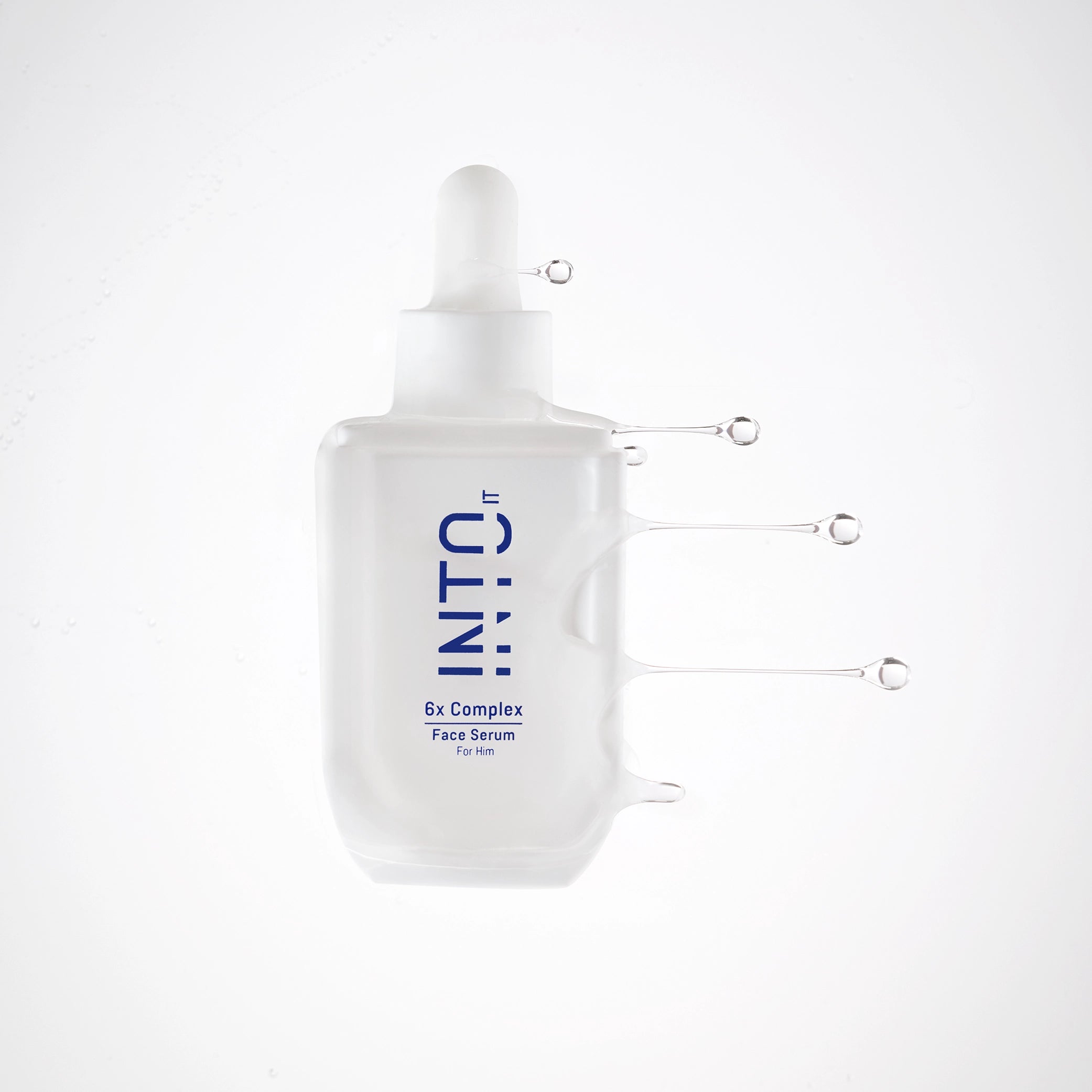
Caffeine used in skincare is the same stimulant compound found in coffee and tea, just applied directly to the skin instead of consumed. It is a well-studied ingredient in dermatology, valued for its ability to temporarily tighten the look of puffiness and help protect skin from everyday environmental stress. In INTOIT's 6X Complex Face Serum, caffeine works alongside peptides and niacinamide to support a fresher, more awake-looking complexion.
Source
|
Found in |
Xanthine alkaloid, naturally occurring in coffee beans and tea leaves |
|
Origin |
Extracted from natural sources or produced synthetically for cosmetic-grade use |
|
Also known as |
1,3,7-Trimethylxanthine |
Top features and benefits
|
Helps reduce the look of puffiness |
Temporarily tightens the appearance of skin |
Strong antioxidant, fights free radical damage |
|
Helps protect skin from everyday environmental stress |
Works well around the eye area |
Fast acting, visible within minutes |
|
Suitable for most skin types |
Commonly used morning and night |
Pairs well with peptides and niacinamide |
How Does It Work?
Caffeine works on skin in two main ways. First, it narrows the tiny blood vessels close to the surface of the skin, which is what gives skin that tighter, less puffy look shortly after application, especially in thinner-skinned areas like around the eyes. This effect can be noticeable within 15 to 30 minutes.
Second, caffeine is a strong antioxidant. It helps neutralize free radicals, the unstable molecules created by sun exposure and daily pollution that break down collagen and speed up visible skin aging over time. Some research also suggests caffeine helps calm inflammation and supports skin's ability to bounce back from everyday environmental stress.
The tightening effect is temporary, which is normal for this ingredient. Caffeine works best as a regular part of a routine rather than a one-time fix, and it is not designed to fade pigment-based dark circles, only the puffiness and blood-vessel-related shadowing under the eyes.
Featured Products

(Inclusive all taxes)
 ₹1,750.00 with code FESTIVE30