What Are the Signs Your Sunscreen Is Causing a Reaction?
You may be reacting to your sunscreen if you notice:
- Redness or a warm, flushed feeling right after applying it
- Stinging, especially around your eyes or after shaving
- Small bumps showing up exactly where you applied sunscreen
- You keep switching sunscreens because each one stops agreeing with your skin
Why Do So Many Sunscreens Bother Sensitive Skin?
Added fragrance is one of the biggest causes of redness in sunscreens, even in small amounts. Alcohol, often used to make sunscreen feel lighter, can sting sensitive skin, especially right after shaving. Some chemical sunscreen filters are also more likely to cause a reaction than others.
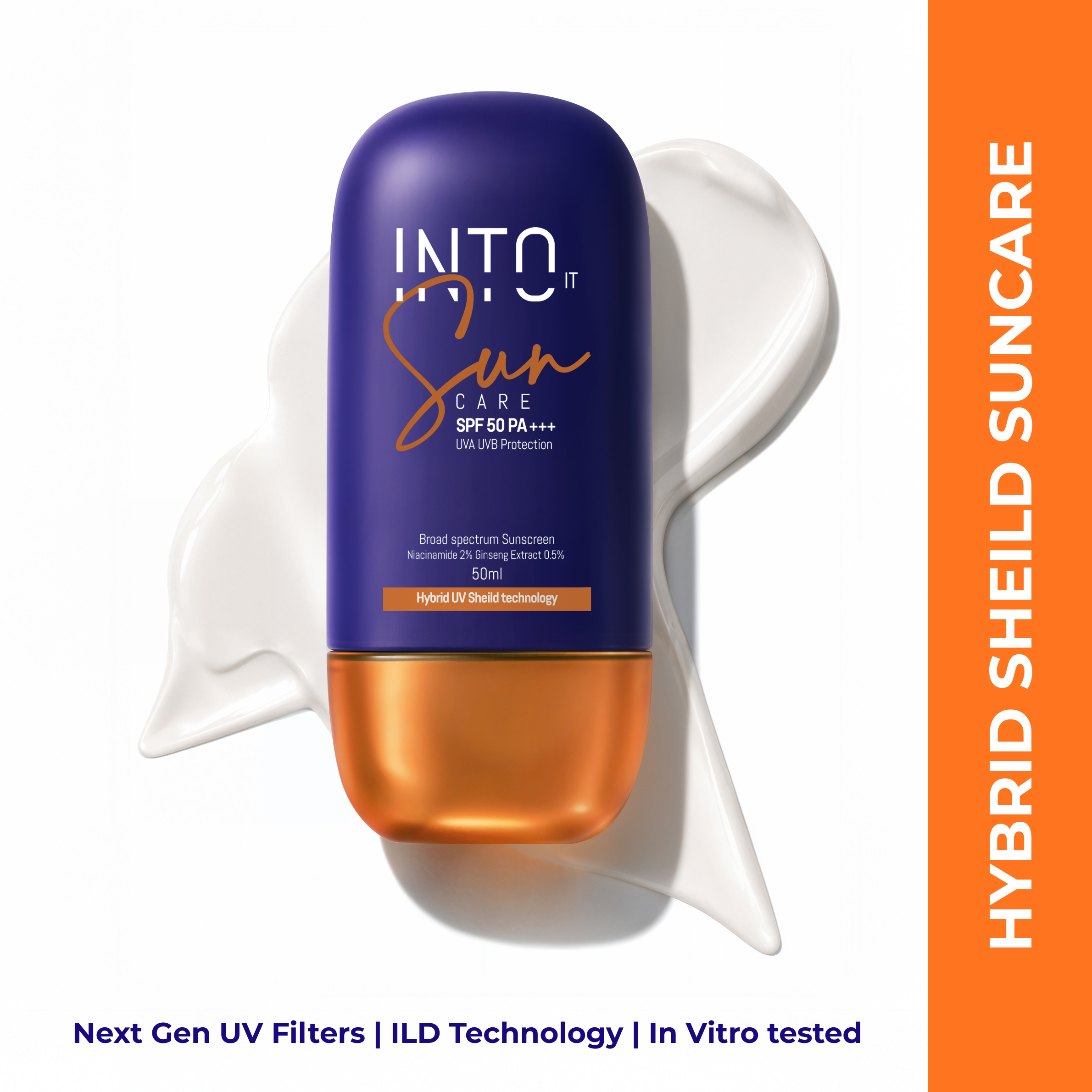
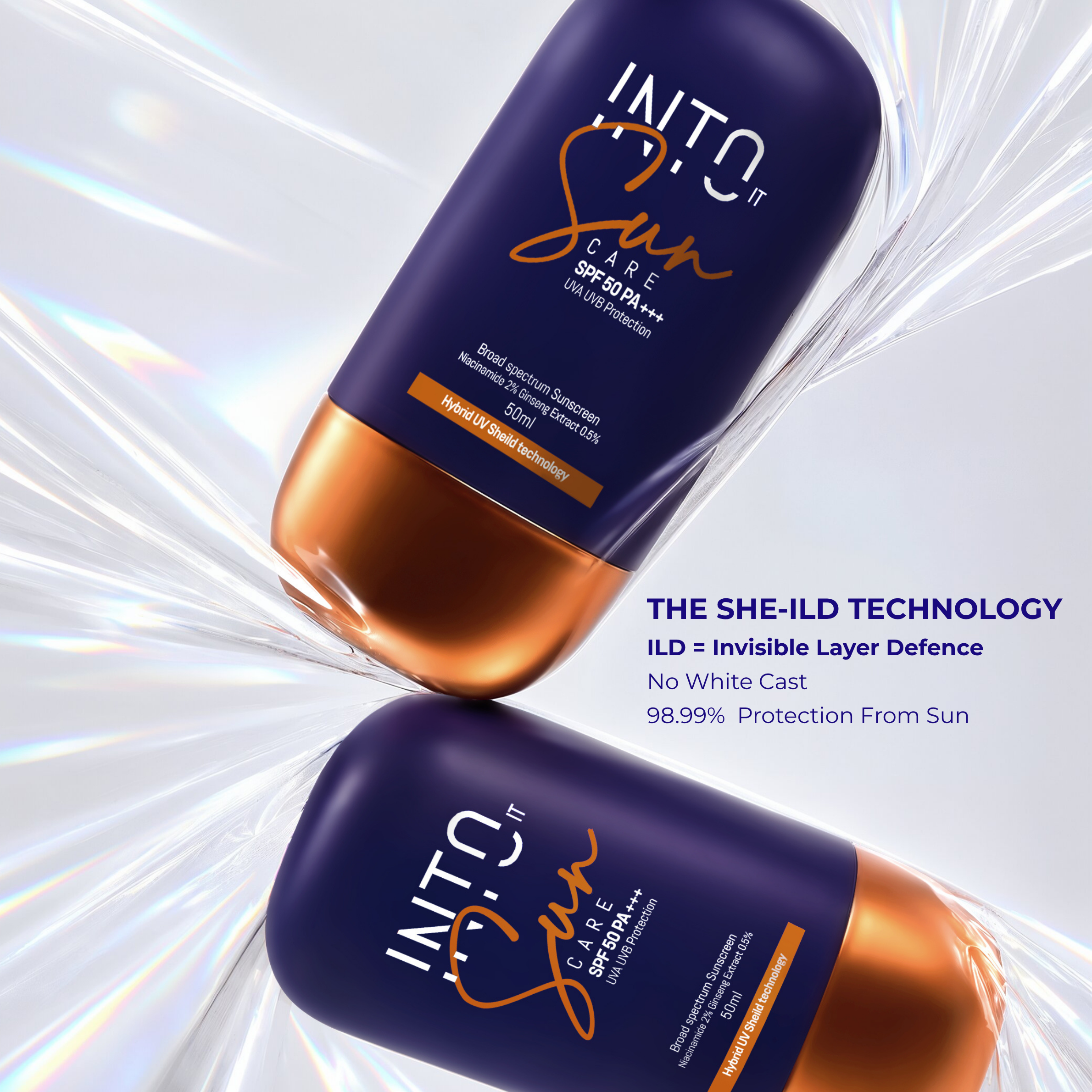
How Does HYBRID SHEILD Work for Sensitive Skin?
No added fragrance: removes one of the most common causes of redness and breakouts.
Sepicalm VG: cools and calms your skin right when you apply it, which helps stop that warm, flushed feeling.
Alpha-Glucan: helps keep the bacteria on your skin balanced, which plays a role in how calm or reactive sensitive skin stays.
No parabens and no harsh chemicals: means fewer common irritants in the formula overall.
How Should I Apply Sunscreen on Sensitive Skin?
Test any new sunscreen on your inner arm or jawline for two to three days first. Apply it on clean, dry skin, not right after shaving. Try not to start a new sunscreen and a new serum in the same week, so you know which one caused a reaction if one happens. Pat the sunscreen on gently instead of rubbing hard.
What Should I Use Along With This Sunscreen?
Start with the INTOIT Claytox Cleanser, then use the INTOIT Maximalist Moisturizer, and finish with HYBRID SHEILD each morning.
Want the full routine in one buy? The Suncare Combo bundles it together.
Who Should Use This Sunscreen?
- Men whose skin flushes, stings, or breaks out after most sunscreens
- Anyone with rosacea-prone or easily flushed skin who still needs daily SPF
- Men who stick to simple, no-added-anything skin care
What Mistakes Do People With Sensitive Skin Make?
Skipping the patch test just because a sunscreen says "for sensitive skin" is a common mistake, since the label alone does not guarantee it will suit your skin. Trying a new sunscreen at the same time as a new serum makes it hard to know what caused a reaction. Rubbing sunscreen in hard on already-irritated skin can also make things worse. And thinking a stinging feeling means the sunscreen is "working" is simply not true.


 ₹699.30 with code FREEDOM30