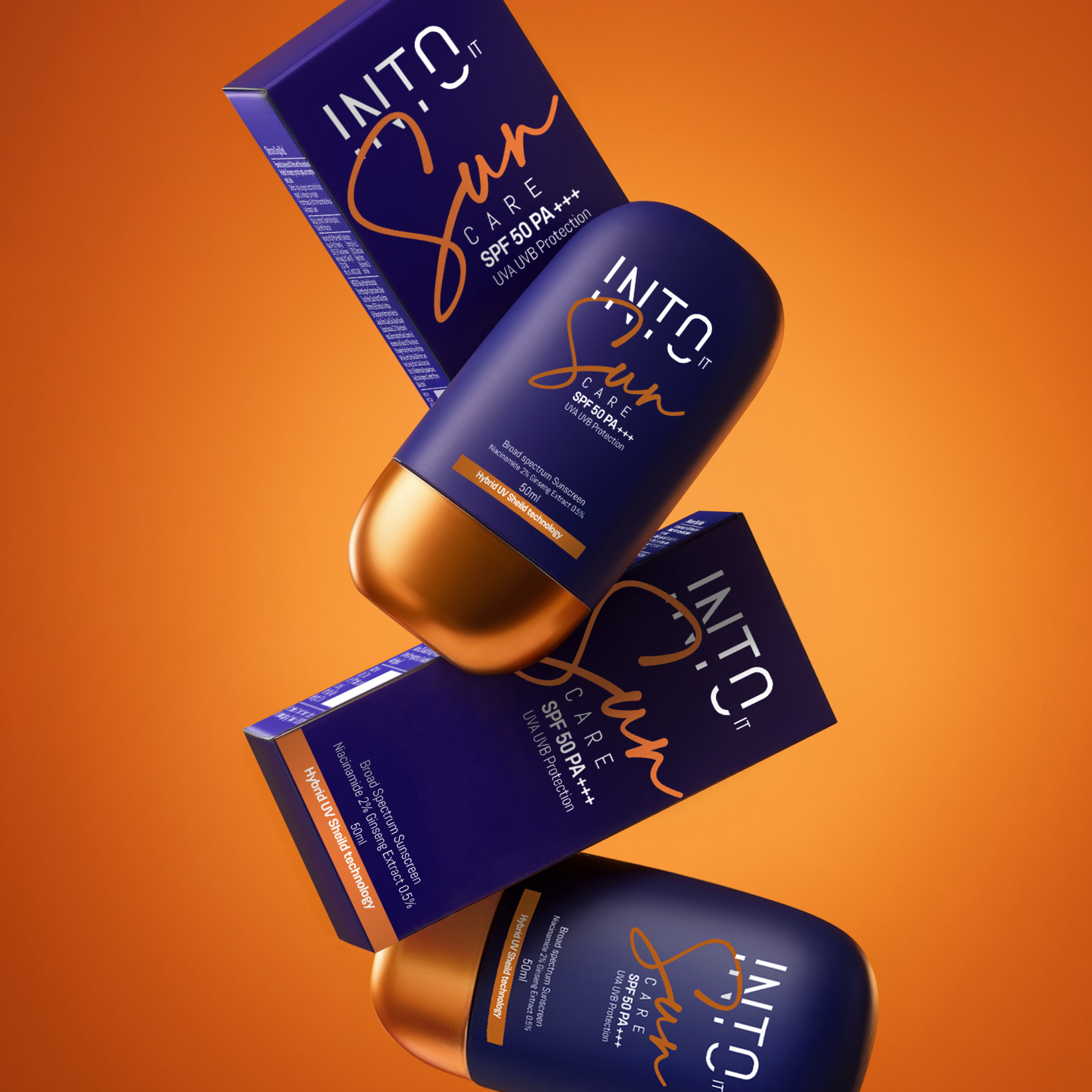
What Are the Signs Your Sunscreen Is Wrong for Oily Skin?
You may have the wrong sunscreen if:
- Your face looks shiny within one hour
- New pimples show up where you put sunscreen
- Your skin feels clogged or heavy by afternoon
- You skip sunscreen some days just to avoid the shine
These are not just "normal" oily skin problems. They are signs the sunscreen itself does not suit your skin.
Why Does Oily Skin Still Need Sunscreen?
Oily skin makes more natural oil than other skin types. This does not mean it is safe from the sun. In fact, oily and acne-prone skin can react more to sun damage. This can lead to dark marks after a pimple heals. Skipping sunscreen does not fix oily skin. It just adds sun damage on top.
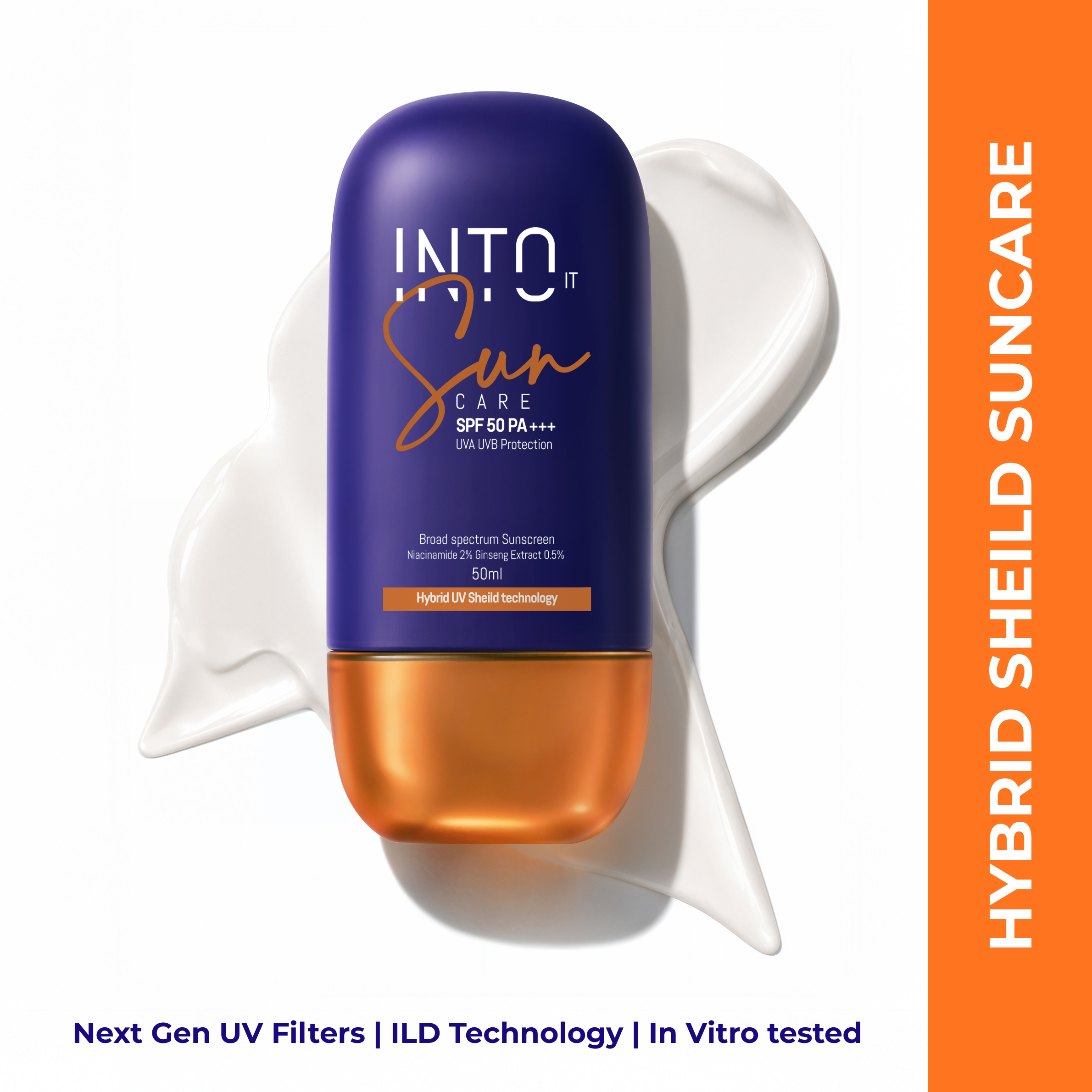
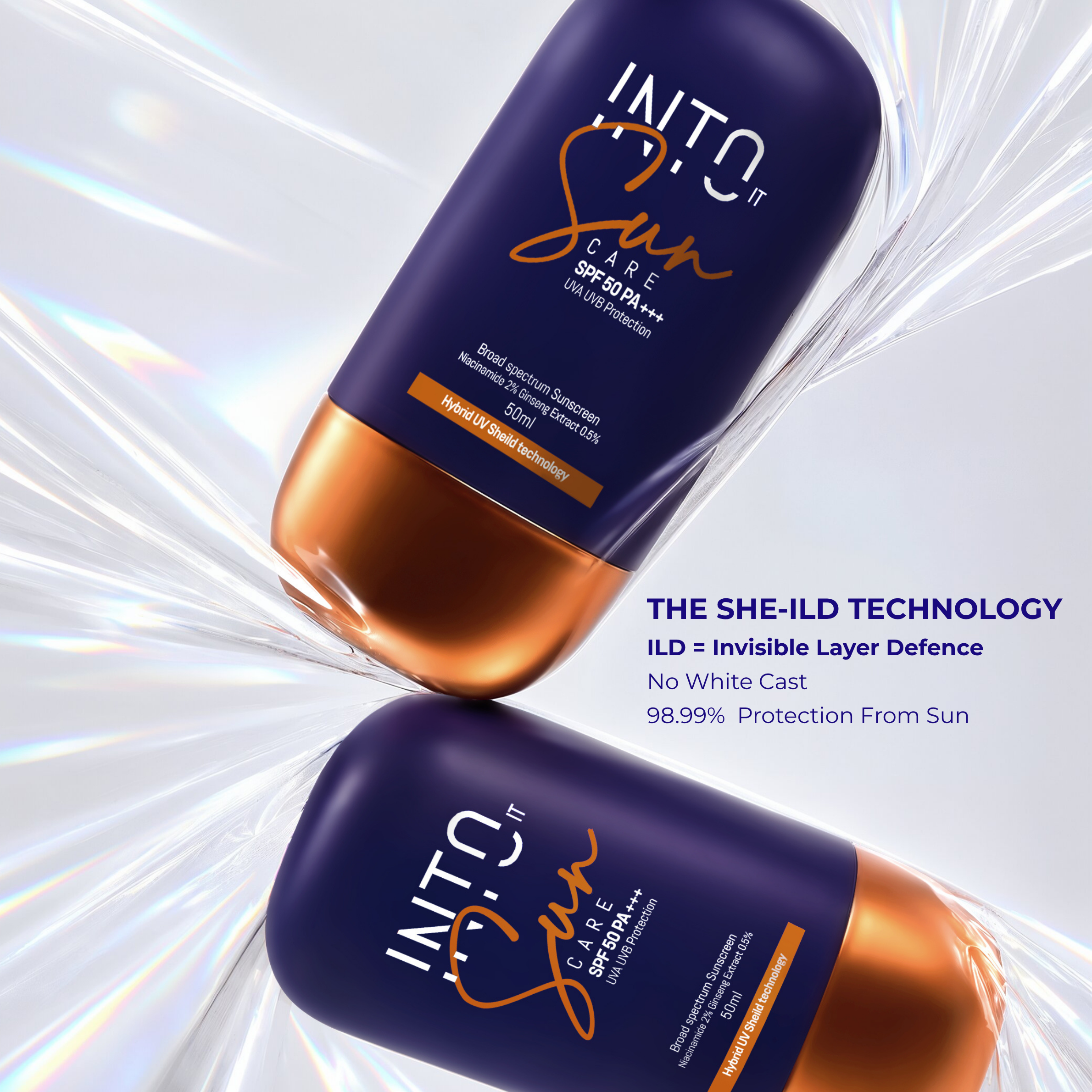
How Does HYBRID SHEILD Help Oily Skin?
Alpha-Glucan: helps keep the good bacteria on your skin in balance. This can help lower the chance of breakouts.
Sepicalm VG: cools your skin fast. It helps calm down redness and swelling, which is often what turns a clogged pore into a full pimple.
Panax Ginseng Root: fights the stress that heat and sun put on oily skin. This stress is part of what makes skin look dull and tired.
A light, fast-absorbing formula: means the sunscreen sinks in fast. It does not sit on top of your skin mixing with sweat and oil.
How Should I Apply Sunscreen on Oily Skin?
Wash your face first. Do not put sunscreen on top of old oil from the morning. Use about two finger lengths of product to cover your whole face. If your skin looks shiny later, blot it with tissue. Do not add more sunscreen just to fix shine. Reapply every three to four hours if you are outside for a long time.
What Should I Use Along With This Sunscreen?
Start your morning with the INTOIT Claytox Cleanser. It clears oil without drying out your skin. Next, use the INTOIT 6X Complex Face Serum to help balance oil and pores. Finish with HYBRID SHEILD.
Want all three in one buy? The Suncare Combo bundles them together at a better price.
Who Should Use This Sunscreen?
- Men with oily or acne-prone skin who stopped using sunscreen because it caused breakouts
- Anyone whose skin gets shiny within an hour of applying regular sunscreen
- People who work or commute outdoors in heat and humidity
- Men who want daily sun protection that will not clash with their acne routine
What Mistakes Do People With Oily Skin Make With Sunscreen?
Using a moisturizer with SPF instead of real sunscreen usually means both jobs get done poorly. Using too little sunscreen to avoid shine cuts down real protection. Switching sunscreens too often never gives one product a fair chance to work. And thinking oily skin does not need reapplying is one of the biggest reasons people still get sun damage.


 ₹699.30 with code FREEDOM30